
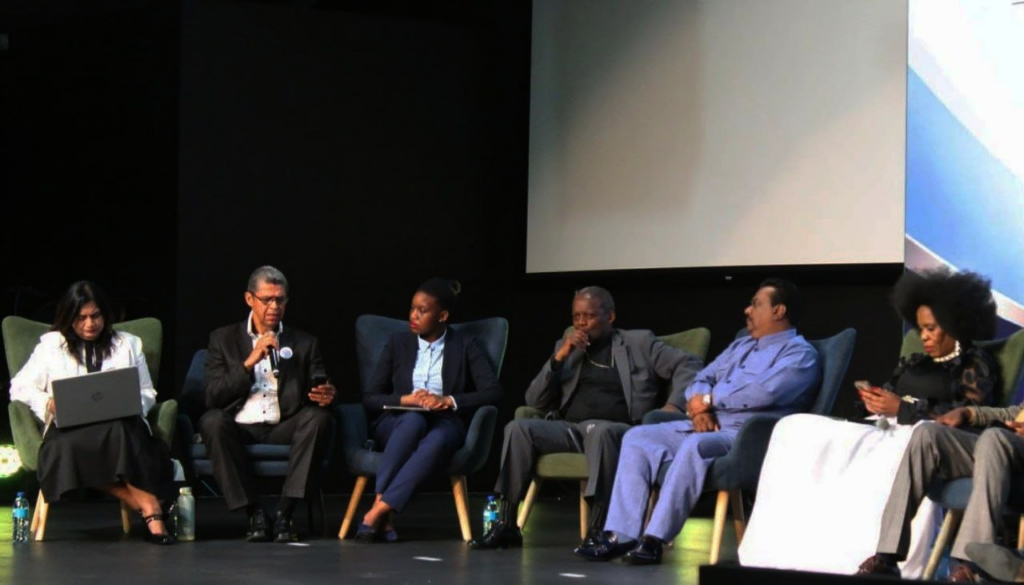
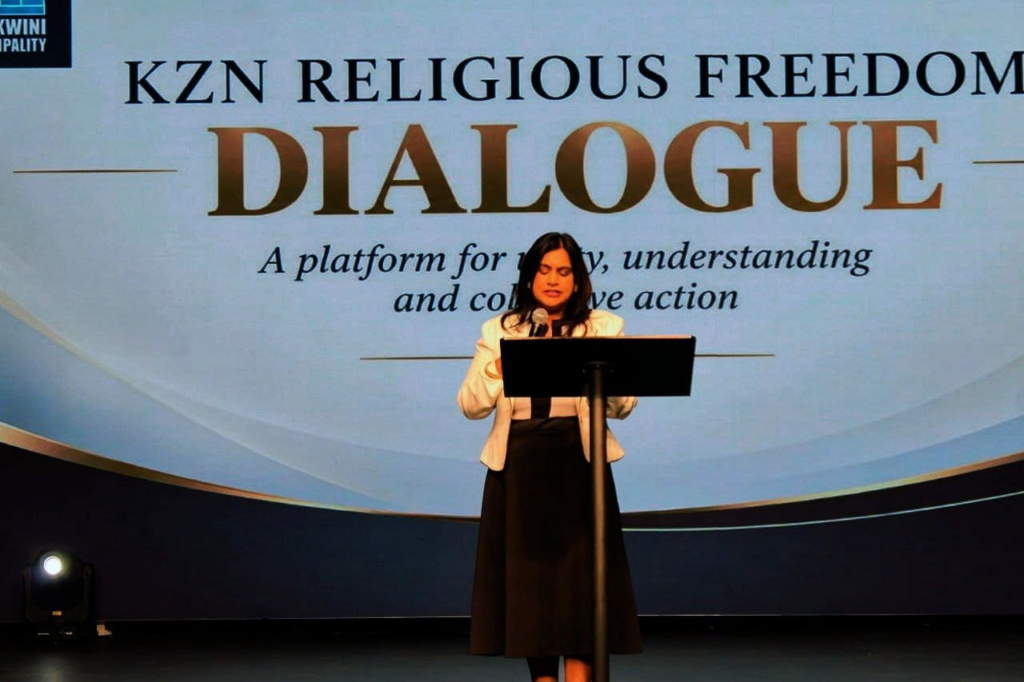
Durban, KwaZulu-Natal, 28 October 2026 — The National Religious Freedom Dialogue placed religious freedom in South Africa at the centre of debate. It took place one day after International Religious Freedom Day. Religious leaders, legal practitioners and faith representatives discussed how to protect freedom of belief, address misconduct and keep vulnerable people safe.

The African Religious and Traditional Leaders Council (ARTLC) hosted the dialogue with eThekwini Metro Interfaith. The event took place at World Gospel Impact Church in Wiggins. Speakers focused on the CRL Rights Commission’s Section 22 process. In December 2025, its Section 22 Ad Hoc Committee for the Christian Sector published a Draft Self-Regulatory Framework for the Christian Sector. The Commission describes the draft as voluntary and church-led. However, some religious leaders and legal advocates question the consultation process and the framework’s possible scope.
International Religious Freedom Day is observed each year on 27 October. It marks the adoption of the United States’ International Religious Freedom Act in 1998. Its wider principle applies everywhere: people should be free to hold, change and practise their beliefs without discrimination or coercion. They should be able to do so alone or with others. In Durban, speakers linked this principle to religious autonomy, public accountability and the protection of people within faith communities.
Mkhize outlines Parliament’s position
Dr Zweli Mkhize, MP and Chairperson of Parliament’s Portfolio Committee on Cooperative Governance and Traditional Affairs (COGTA), engaged with religious leaders about the Section 22 process. According to the meeting notes, he said Parliament had not called for state regulation or control of churches. He also distinguished the CRL Commission’s statements from Parliament’s position.
The legal position remains nuanced. In February 2026, Parliament said it had received a legal opinion on related Section 22 issues. However, Freedom of Religion South Africa (FOR SA) reported on 6 October that Parliament’s legal team was still examining the committee’s formation and terms of reference. By 30 October, no newer official update had confirmed whether those questions were resolved. The meeting notes indicate that speakers at the dialogue were still seeking legal clarity.
SALC-FFJ calls for freedom alongside accountability
Vuyo Mkize, KwaZulu-Natal spokesperson for the Southern African Leaders Coalition for Faith, Freedom and Justice (SALC-FFJ), said religious freedom must go hand in hand with accountability. She said the coalition did not seek to protect abusers. Instead, it wanted to safeguard religious institutions and the people within them.
Mkize warned that the proposed framework could create oversight through a national council, a church register and a Seal of Good Standing. SALC-FFJ called for authorities to enforce existing laws. It also urged churches to strengthen their own accountability and ensure wider consultation. “We will not be forced to choose between abused congregants and a free Church. That is a false choice. A free Church can still call the police,” Mkize said.
Legal advocates call for inclusive consultation
Lisa Parsee, representing FOR SA, said the organisation supported the CRL institution but had concerns about the current Section 22 process. According to the meeting notes, she distinguished voluntary self-regulation from a framework that could involve registration or sanctions. This reflects FOR SA’s interpretation. The CRL Commission, by contrast, describes its draft as voluntary and church-led. Pastor Lazarus Pillay, President and Founder of Christian Network International, also called for wider consultation. He said churches needed clarity about the process and its mandate to build trust.
Speakers propose church-led accountability
Dr Jonathan Naidoo represented Unity in Christ and the International Ministers Fellowship. He called for partnership with government, rather than state control. The meeting notes say he supported church-led codes of conduct, training and transparency. He also called for protections for women and children, alongside enforcement of existing criminal laws. A Hindu faith representative opposed rules that would require spiritual leaders to pass examinations or obtain formal certification. The representative also stressed the need for ethical conduct in religious and cultural institutions. This contribution widened the discussion beyond Christian communities.
Balancing religious freedom and accountability
The debate reflected a central question behind International Religious Freedom Day: how can society protect freedom of belief while preventing abuse? It also raised a key issue for religious freedom in South Africa. People and communities must be free to practise their beliefs, but that freedom must not shield misconduct. Speakers differed on the roles of the state and the CRL Rights Commission. They also raised concerns about consultation, the committee’s mandate and the possible effects of registration or oversight on religious autonomy. Speakers stressed that religious freedom and accountability can support each other. They called for authorities to address misconduct, protect vulnerable people and enforce existing laws. They also urged religious institutions to strengthen their own accountability measures. The dialogue highlighted the need to protect religious freedom in South Africa while upholding everyone’s safety and dignity.
On 13 October 2026, the ANC issued a statement saying it had not advocated state regulation or control of churches. That statement came before the dialogue and provides political context. The discussion ended with a challenge linked to International Religious Freedom Day: protect freedom of religion or belief through meaningful consultation. This must go hand in hand with respect for constitutional rights and the safety and dignity of all people.