Honouring Madiba’s Legacy, One Act of Kindness at a Time

Every year South Africans are reminded that changing the world does not always require grand gestures. Sometimes, it starts with just 67 minutes.

As Nelson Mandela International Day approaches, thousands of people across the country roll up their sleeves to paint classrooms, serve meals, collect blankets, read to children, clean neighbourhoods or simply spend time with those who need companionship. While these acts may seem small, together they represent one of South Africa’s greatest traditions of ubuntu.

Many people know about the tradition of dedicating 67 minutes to community service, but fewer know the story behind it. The 67 minutes symbolise the 67 years Nelson Mandela devoted to public service and the fight for human rights, beginning with his involvement in the struggle for justice in 1942. Throughout those decades, Mandela served as a human rights lawyer, anti-apartheid activist, political prisoner, peacemaker and, ultimately, South Africa’s first democratically elected President. His life’s work inspired people across the world to pursue freedom, equality and reconciliation.

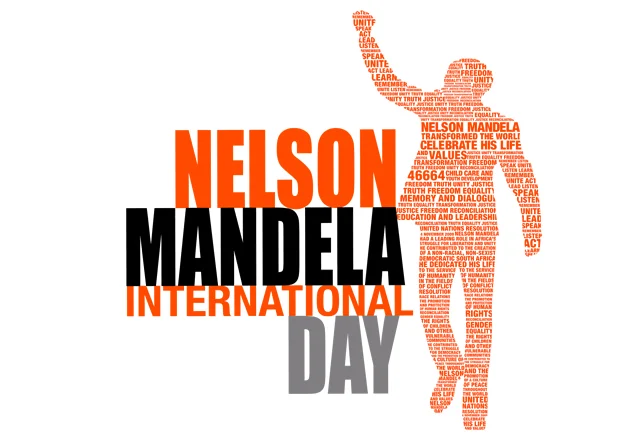
In recognition of this extraordinary contribution, the United Nations General Assembly officially declared 18 July as Nelson Mandela International Day in November 2009. Rather than celebrating Mandela himself, the day calls on ordinary people everywhere to continue his work by serving others and creating positive change in their own communities.

If you’re looking for somewhere to volunteer this Mandela Day, consider supporting one of these organisations making a difference in Nelson Mandela Bay:

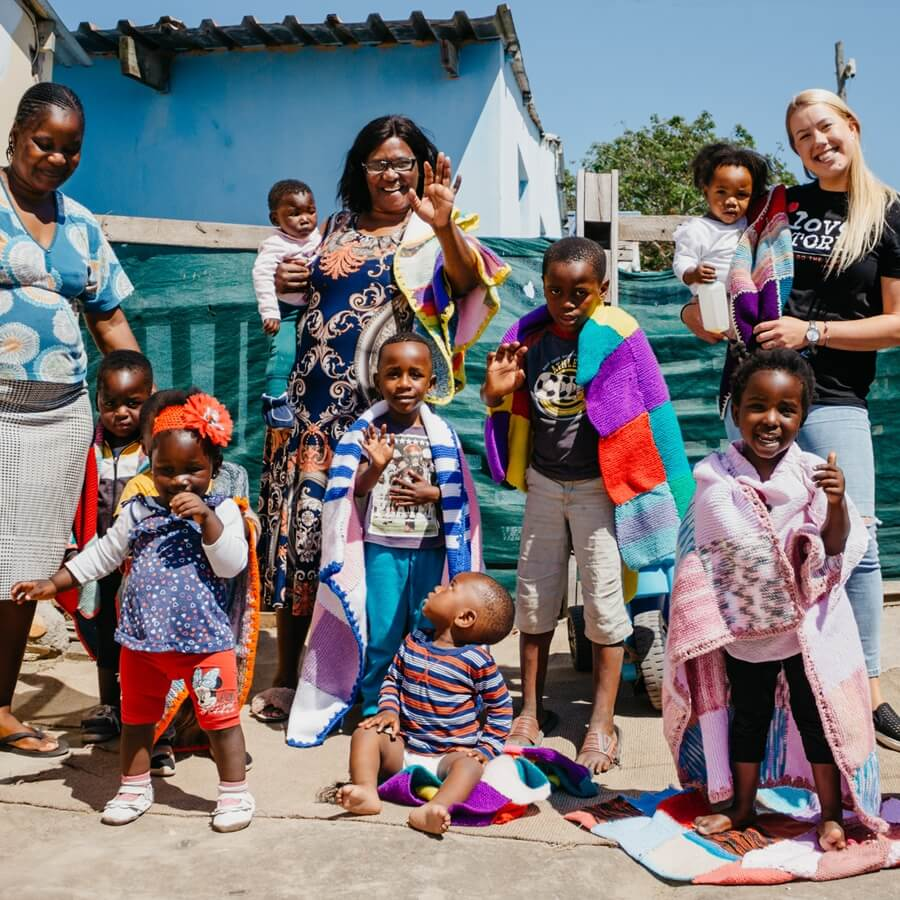
  • Love Story – Provides meals, shelter support and outreach programmes for vulnerable people in Gqeberha. Love Story is a charity aimed at meeting needs and showing love to communities in and around Port Elizabeth, South Africa. The organization is based on 2 Glen Street, Richmond Hill, Port Elizabeth.
  • Animal Welfare Society Port Elizabeth – Founded in 1971 as a result of the difficulty that the municipality in Port Elizabeth was experiencing in coping adequately with the number of stray animals and cruelty cases in the city, the Animal Welfare Society Port Elizabeth (AWS PE) is an open shelter which offers a safe place for unwanted, lost or abandoned animals.  Care for rescued animals in Victoria Drive, Walmer by walking dogs, cleaning facilities or donating food and supplies.
  • Missionvale Care Centre – is a non-profit organisation on 1 Tromp Road, Missionvale, serving the Missionvale community in Gqeberha by addressing poverty through education, healthcare, skills development, youth empowerment and community support. Its programmes focus on helping individuals and families become self-reliant while improving their overall health, wellbeing and quality of life.
  • Zanethemba Charity Foundation – is situated at 21 Albert Road, Walmer and provides temporary safe care for babies and young children (newborn to six years old) who have been abandoned, neglected, abused or orphaned. Working alongside social workers and the Department of Social Development, the organisation offers a safe, nurturing environment while permanent care arrangements are made.

Before visiting, contact the organisation beforehand to find out what assistance is most needed and whether they have specific Mandela Day activities planned.

While Mandela Day shines a spotlight on service every July, Madiba’s legacy was never intended to be limited to a single day. His life reminds us that lasting change is built through consistent acts of kindness, courage and responsibility. The 67 minutes are simply a starting point—a reminder that each of us has the power to make our communities a little stronger than they were yesterday.

This Mandela Day, whether you’re in Central, Motherwell, New Brighton, KwaZakhele, Bethelsdorp, Gqeberha’s northern areas, Kariega, Despatch or elsewhere across the Eastern Cape, take the opportunity to give back.

The Capital Boardwalk Opens Its Doors, Creating Employemnt and Bringing a New Era of Hospitality to Gqeberha

Gqeberha’s hospitality and tourism landscape has welcomed a new addition with the official opening of The Capital Boardwalk on Thursday, 28 May – a R270 million development that introduces the city’s first “aparthotel” concept and further strengthens its position as a growing coastal destination.

Located within the popular Boardwalk precinct in Summerstrand, The Capital Boardwalk combines hotel accommodation, serviced apartments, conferencing facilities, dining experiences, and entertainment offerings in one integrated destination. The property features 145 rooms and apartments, including studios, one-, two- and three-bedroom apartments, as well as luxury penthouses.

Additional facilities include a conference centre, co-working spaces with virtual meeting rooms, a restaurant and bar, a fully equipped gym, laundry facilities, flexible housekeeping options, leisure areas, high-speed Wi-Fi, secure parking, and 24-hour reception and security services. Accessibility has also been prioritised, with specially designed accommodation available for guests with mobility challenges.

The project has delivered a notable economic boost to the region, with more than 500 direct and indirect jobs being created during the construction phase. An estimated 170 to 200 permanent positions is also expected to support the property’s ongoing operations.

From the likes of the Sakura Girls welcoming guests on arrival, to a breathtaking lollipop aerial performance and dazzling mirror dancers lighting up the space by Oriental Fire Entertainment and well-renowned Micasa, performers graced the stage at the grand opening with entertainment areas set up for guests.

Speaking at the opening, The Capital Hotels, Apartments & Resorts Chief Executive Officer Marc Wachsberger highlighted the significance of the investment for both the hospitality sector and the broader community. “The opening of The Capital Boardwalk reflects our commitment to creating spaces that support local economic growth, develop talent, and contribute positively to the communities in which we operate,” he said.

As Gqeberha continues to strengthen its reputation as a business and leisure destination, The Capital Boardwalk is expected to play an important role in attracting visitors, supporting tourism growth, and enhancing the city’s hospitality offering.

Stir Up Something Special at The Herald Cooking Masterclass 2026

Food lovers, this one is for you. The much-loved Herald Cooking Masterclass returns this month with another exciting hands-on experience, continuing a series that has become a favourite lifestyle event in Gqeberha over the years as far back as 2019.

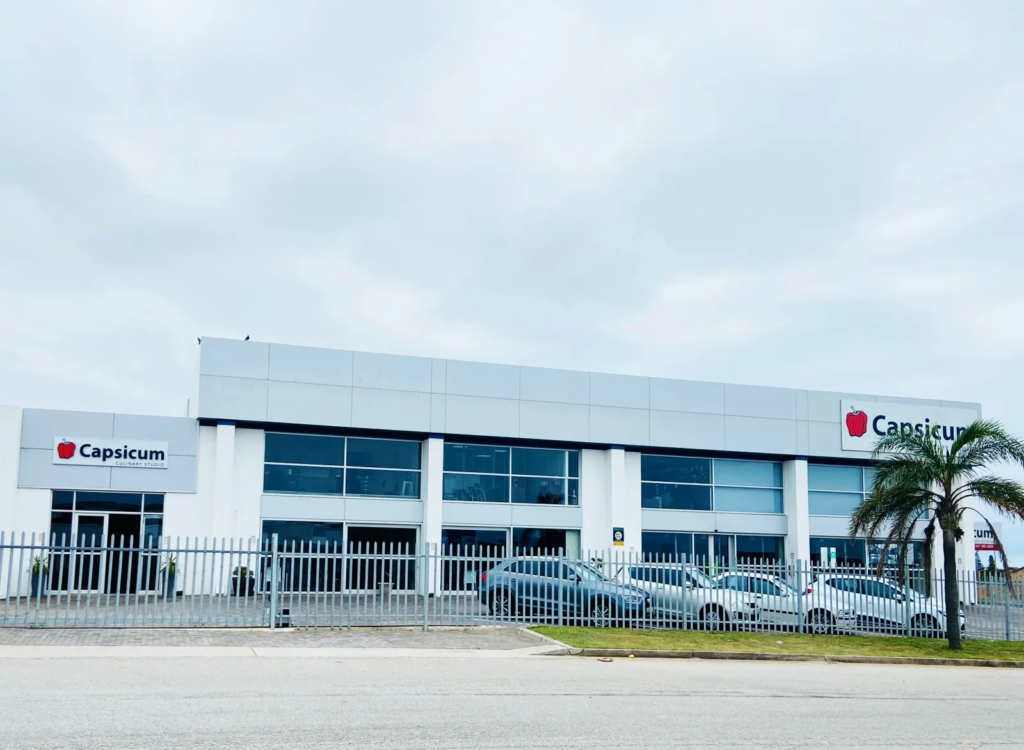
The purpose of the series has always been simple: to connect people, build confidence in the kitchen and create memorable experiences through cooking. The next event in the Herald Cooking Masterclass 2026 series takes place on Thursday, 24 April, from 6pm to 8pm at Capsicum Culinary Studio. This edition will spotlight Rustic French cooking, with expert guidance from Chef Casey Goliath of Capsicum Culinary Studio Nelson Mandela Bay. Early booking is recommended as seats are limited and tickets are priced at R420 per person. Guests can look forward to a memorable evening that includes a welcome drink, complimentary chef’s apron, basket of ingredients, and plenty of fun in an interactive cooking environment.

Participants will also learn practical kitchen skills such as mastering seasoning and pan-searing steaks, understanding why resting meat matters, and creating delicious sauces to elevate meals.

Capsicum Culinary Studio Nelson Mandela Bay

Beyond the recipes, the evening is also about confidence in the kitchen and discovering techniques that can easily be recreated at home. Whether you are a beginner wanting to sharpen your skills or a passionate home cook looking for fresh inspiration, the masterclass offers a relaxed and social space to learn from professionals while enjoying the company of fellow food enthusiasts. It is the kind of experience that turns an ordinary night into something memorable.

What began as a community-focused food experience has grown into one of the city’s most popular lifestyle events — blending cooking, learning, and a great night out. If you enjoy food and trying something new, this is the perfect recipe for an unforgettable evening.

Countdown to Greatness: IRONMAN African Championship Comes to Port Elizabeth

IRONMAN Swim Start

Athletes charge into the ocean at sunrise, marking the powerful start of the IRONMAN journey.

Excitement is building in Nelson Mandela Bay as the IRONMAN South Africa African Championship returns on 19 April 2026. This globally recognised event will once again transform Port Elizabeth into a hub of endurance, determination, and world-class athleticism.

A Test of True Endurance

The IRONMAN African Championship is known as one of the most demanding endurance races in the world. Athletes will push their limits through a 3.8 km ocean swim, a 180 km cycling course, and a 42.2 km marathon run—all in a single day.

IRONMAN Cycling Route

Cyclists take on the scenic coastal routes of Port Elizabeth, combining beauty with intensity.

A City Alive with Energy

Beyond the race itself, the event brings an incredible atmosphere to the city. Spectators line the streets, cheering on participants from all over the world, creating a powerful sense of unity and celebration.

IRONMAN Crowd Support

Supporters gather in their numbers, creating an electric atmosphere that fuels the athletes’ determination.

More Than Just a Race

The IRONMAN Championship is not only about competition—it’s about perseverance, discipline, and the triumph of the human spirit. It also unites the community through volunteering, tourism, and shared pride in hosting a world-class event.

IRONMAN Marathon Run

Runners push through the final stretch of the marathon, embodying resilience and unwavering determination.

Be Part of the Experience

Whether you’re an athlete, a supporter, or simply looking to experience the excitement, this event promises something unforgettable for everyone. From the early morning start to the final finish-line moments, the energy will be unmatched.

On 19 April 2026, all eyes will be on Port Elizabeth—don’t miss the chance to witness greatness in motion.


Join the movement. Support the athletes. Experience the moment.

Nelson Mandela Bay Faces Growing Water Crisis as Demand Outpaces Supply

Nelson Mandela Bay is grappling with a worsening water crisis, adding pressure to a metro already challenged by rising crime and infrastructure strain. Dam levels across the city have dropped to about 40%, while daily water consumption continues to exceed what the system can sustainably supply.

The metro is currently using close to 390–400 million litres of water per day—far above its designed capacity of 280 million litres. This imbalance has left many suburbs experiencing intermittent water supply or complete outages, particularly in western and central areas of the city.

According to the Nelson Mandela Bay Municipality (NMBM), a combination of aging infrastructure, power disruptions and critical maintenance at major treatment facilities has intensified the problem. Upgrades at the Nooitgedagt Water Treatment Works, including the installation of new industrial equipment, temporarily reduced production levels and created daily water shortfalls. As a result, reservoirs have struggled to recover, leaving the system vulnerable to even minor disruptions.

Electricity interruptions have further destabilised supply. Several water treatment works and pump stations have experienced repeated power outages, and even brief power dips have caused pump failures that require specialist intervention to restore operations.

Vandalism and deliberate damage to key pipelines have added another layer of difficulty. Major leaks and recurring pipe bursts have forced emergency repairs, temporarily halting water transfers and affecting surrounding communities.

The situation is expected to worsen periodically due to scheduled power maintenance, which will take some water treatment facilities offline for extended hours. Large reservoir zones such as Chelsea, Emerald Hill and Lovemore Heights—supplying suburbs including Baywest, Lorraine, Walmer Heights and Newton Park—remain among the most affected.

The Nelson Mandela Bay Business Chamber has warned that the metro is facing a “perfect storm” of declining dam levels, excessive consumption and water losses caused by leaks and illegal connections. Current usage is more than 100 million litres per day above sustainable targets, while nearly half of treated water is reportedly lost before reaching consumers.

Extreme heat and wildfires have placed additional strain on the already fragile system, as firefighting efforts require large volumes of water at a time when reserves are critically low. Business leaders have expressed concern that lessons from the near “Day Zero” crisis of 2021 have not been adequately applied.

Despite these challenges, successful past initiatives show that coordinated action can make a measurable difference. Leak-repair programmes supported by businesses previously saved millions of litres per day and significantly reduced water consumption in high-risk areas.

Three Key Initiatives to Help Save Water

As Nelson Mandela Bay works to stabilise its water supply, residents, businesses and institutions all have a role to play. Three practical initiatives could help reduce pressure on the system:

  1. Fix and Report Leaks Immediately
    Household leaks, burst pipes and dripping taps collectively waste millions of litres each day. Residents should repair leaks promptly and report municipal leaks through official channels to ensure faster response times.
  2. Expand Water Reuse and Harvesting
    Using greywater for gardens, toilets and cleaning can significantly reduce potable water use. Rainwater harvesting tanks—especially at schools, businesses and public facilities—can supplement supply during dry periods.
  3. Adopt Community Water-Saving Partnerships
    Programmes like “Adopt a School” or “Adopt a Leak” allow businesses and community groups to fund repairs, upgrade plumbing and monitor water use in high-impact areas, delivering measurable water savings.

A Call for Urgent Action

The municipality has pledged to improve monitoring, strengthen response systems and intensify efforts to reduce water losses. However, officials and business leaders agree that behaviour change is just as critical.

Using water sparingly, investing in conservation solutions and acting before the crisis deepens could determine whether Nelson Mandela Bay avoids another near-disaster. The cost of acting now, many warn, is far lower than the cost of doing nothing.

Renewing the Friendly City through Peace: Nelson Mandela Bay Unites Against Violence

Gqeberha, South Africa – November 15, 2025 –Community members from Nelson Mandela Bay gathered at the Walmer Town Hall for the final regional event commemorating the 11th Anniversary of the September 18th HWPL World Peace Summit. Hosted by the international peace NGO, HWPL, in collaboration with the IWPG and the IPYG, the event was held under the theme: “Renewing the Friendly City through Peace: Uniting Together to End Gun Violence, GBV, and Drug Abuse.”

The event took place against the backdrop of ongoing concerns in South Africa related to gender-based violence, crime, and substance abuse. Leaders from civic structures, faith communities, the youth sector, and women’s organisations spoke about the urgent need to revive a culture of empathy, respect, and accountability. They emphasised that peace is not only a global ideal but a local responsibility that starts in homes, schools, and neighbourhoods.

MMC Mkhuseli Jack urged residents to take an active role in reporting criminal activity, noting its impact on public safety resources. “We must not be quiet when we see crime taking place. We must report it to the police. When we don’t report, it affects the amount of money the government can give to the police budget to fight crime.” His statement highlighted the direct link between community involvement and stronger institutional support for safety, underlining that silence only strengthens the cycle of violence.

Member of the Mayoral Committee, Councillor Mkhuseli Jack, speaking during the HPWL event

The event showcased peace education as a vital preventative tool, demonstrating how teaching empathy, conflict resolution, and non-violence can transform the mind-set of future generations. Interfaith leaders offered reflections that highlighted unity across belief systems, while youth and women shared peace pledges emphasising the sanctity of life and the protection of the vulnerable.

The collaboration between global peace movements and local community actors created an environment that reflected both the aspirations and the challenges present in Nelson Mandela Bay. The event also took place against the backdrop of national discussions related to the upcoming Women for Change mobilisation linked to the G20 Summit. The event reinforced the shared conviction that South Africa needs long-term, preventative solutions that address the root of violence. Peace education, community cooperation, and consistent advocacy were highlighted as essential components in efforts to strengthen safety for women and children.

The event concluded with participants expressing willingness to continue collaboration. Organizers stated that continued partnerships and community engagement will remain important as Nelson Mandela Bay works to strengthen safety and social cohesion.

For media inquiries or collaboration opportunities, please contact: press_za@hwpl.kr | +27 76 963 7925

When Freedom Becomes a Test: The Hidden Struggles of Students in the City

Every year, thousands of young people from rural towns and villages across the Eastern Cape journey to larger cities such as Port Elizabeth and East London to pursue higher education. For many, it’s a dream fulfilled, the first in their families to attend university or college, the first to glimpse a future beyond poverty. Yet, beneath the excitement of new beginnings lies a silent and troubling reality.

Many of these students, once grounded by community and family structure, suddenly find themselves navigating unfamiliar environments with newfound independence, and with it, access to financial aid through the National Student Financial Aid Scheme (NSFAS). While intended to cover tuition, accommodation, and essential living costs, these funds often become a source of temptation. Without proper guidance or accountability, misuse of NSFAS money has become a growing concern.

9/11/12 1:51:11 PM — Boston, Massachusetts 9/11/12 – Boston University – Cummington Street has become Cummington Mall and a pedestrian promenade.. Photo by Kalman Zabarsky for Boston University Photography

In some cases, students spend funds meant for education on luxuries, entertainment, or lifestyles beyond their means, often trying to fill emotional or social gaps that come with being far from home. The consequences extend far beyond the financial: many find themselves entangled in debt, academic failure, and even moral compromise.

For female students, this struggle can take an even darker turn. Coming from deeply impoverished backgrounds, some young women, driven by the pressure to support their families or maintain dignity among peers, fall prey to relationships with older, wealthier men, trading their safety and worth for financial support. This heartbreaking reality reflects not moral failure, but a crisis of hope and guidance. It shows how poverty, pressure, and lack of mentorship can make vulnerable hearts seek provision in dangerous places.

Education should open doors to purpose, not lead students away from the values that once anchored them. Universities, churches, and communities must work hand in hand to provide mentorship, moral grounding, and financial literacy, helping students use their resources wisely and live with dignity.

True freedom is not found in unmonitored access to money or opportunity, but in discipline, wisdom, and faith. When we seal God’s Word in our hearts, we gain the discernment to make choices that build rather than destroy; to steward blessings instead of squandering them.

As a society, let us support and encourage our students, and pray that their pursuit of education may remain aligned with purpose, that no one may lose themselves in the city lights, and that every opportunity becomes a step toward transforming their families and communities through righteousness and wisdom.

Turning Pages, Changing Futures

In the heart of Port Elizabeth, a quiet revolution in literacy is taking shape — one story at a time.

The newly crowned Miss South Africa 2025, Qhawekazi Mazaleni, is redefining what it means to wear the crown. With her trademark grace and grounded sense of purpose, she’s turning her reign into a mission of transformation — helping children find their voices through reading, storytelling, and cultural pride.

Her deep understanding of how language shapes identity and opportunity inspired her to create something lasting — a children’s book written entirely in isiXhosa, designed to teach children how to read and count in their home language. “It’s been so beautiful watching children interact and learn from the book,” she says with pride.

While literacy efforts have been underway in Port Elizabeth (Gqeberha) for many years, few residents are aware of the remarkable organisations driving change on the ground. With more support and visibility, these initiatives could not only strengthen literacy levels but also give isiXhosa writers the platform they deserve.

Here are just a few of the local champions helping to turn the page toward a more literate future:

1. Masinyusane

Based in Port Elizabeth, Masinyusane is a dynamic non-profit dedicated to uplifting disadvantaged communities through education and youth employment. The organisation runs literacy and numeracy programmes in more than 150 schools, building libraries, training youth as reading coaches, and helping thousands of children strengthen their reading and comprehension skills.

Beyond the classroom, Masinyusane also provides scholarships and mentorship for top-performing township learners, while creating jobs for unemployed youth as educators and assistants. By combining literacy development, youth empowerment, and access to education, Masinyusane is breaking cycles of poverty and nurturing a new generation of confident readers, thinkers, and community leaders in the Eastern Cape.

2. Rally to Read

The Rally to Read initiative has been instrumental in improving literacy across Nelson Mandela Bay, thanks to strong partnerships with corporate sponsors such as Isuzu and Ford. Managed by the READ Educational Trust, the programme supports under-resourced schools through a holistic approach — providing curated book collections, teacher training, and ongoing classroom support.

Masinyusane: Empowering Communities with Youth Jobs

Teachers in Rally schools receive in-service training and coaching, ensuring they’re equipped to inspire a love for reading and improve learners’ literacy, language, and comprehension skills. By pairing quality resources with professional development, Rally to Read continues to empower educators and learners alike across the metro.

3. Literacy Association of South Africa

The Literacy Association of South Africa (LITASA) plays a vital role in strengthening the national conversation around reading and literacy. Through annual conferences, provincial seminars, and workshops, it brings together educators, researchers, and practitioners to share best practices and innovative approaches to teaching reading and writing in multilingual contexts.

LITASA also publishes the Reading & Writing Journal, a peer-reviewed academic publication that highlights cutting-edge literacy research and classroom strategies. In the Eastern Cape, its branch hosts workshops and literacy activities in Makhanda and Gqeberha, including Read-Aloud competitions, Teachers’ Book Clubs, and book drives that collect and redistribute pre-loved books to schools and rural communities in need.

If you have books to donate or wish to get involved, reach out to the Eastern Cape branch at ecape@litasa.org.za.

Together, these organisations — alongside inspiring leaders like Qhawekazi Mazaleni — are proving that literacy is more than just the ability to read and write; it’s the foundation of opportunity, imagination, and hope. And in the classrooms and communities of Port Elizabeth, hope is being rewritten — one story at a time.

I Can Buy Myself Flowers Blooms on Stage

Taking its title from the global hit by Miley Cyrus, I Can Buy Myself Flowers is a sharp and entertaining one-woman comedy-drama about Natalie Jackson, a fifty-something estate agent who reflects on the rollercoaster of relationships, raising children, career ambitions, and the value of women’s friendships.

Natalie, portrayed by Erika Breytenbach, embodies the contradictions of her generation: old enough for multiple marriages, young enough to be unburdened by apartheid’s legacy, and woman enough to face menopause with humor and grit. Alongside five close friends—collectively dubbing themselves the “Six-in-the-City” WhatsApp group—she navigates the triumphs and insecurities that come with professional and personal life. Years of therapy, the inspiration of female colleagues, and the challenges of patriarchal family structures shape her journey toward living unapologetically on her own terms.

Erika Breytenbach on stage.

The play is penned by acclaimed writer Mike van Graan, whose many honors include the Independent Theatre Award for My Fellow South Africans, and directed by Toni Morkel. Co-produced by MVG Productions and Unlikely Productions, the 65-minute show carries a PG16 age restriction and has been praised for its wit and relatability since premiering at Cape Town’s Drama Factory earlier this year.

Award-winning playwright, Mike van Graan.

Designed as a highly portable production, I Can Buy Myself Flowers has been staged at theatres, festivals, and unconventional spaces alike. After successful runs in Durban, the Garden Route, and at the National Arts Festival in Makhanda, it now makes its way to the Isithatha Theatre in Walmer on September 8 and 9 at 7.30pm.

Tickets can be booked at www.isithatha.co.za/tickets

Trace and Transition: Celebrating a Decade of Bird Street Gallery

Nelson Mandela University’s Bird Street Gallery in Central marked a milestone on the evening of 27 August when it opened its latest exhibition, Trace and Transition. The showcase, which began at 5:30pm, commemorated the gallery’s 10th anniversary and featured an array of creative works by staff members from the Department of Visual Arts in the Faculty of Humanities.

Curator Jonathan van der Walt described the anniversary exhibition as a significant moment for the University.
“It reflects the many dimensions of the gallery,” he explained. “Once a colonial and heritage building, it was reimagined as a contemporary gallery space – one that functions not only as an exhibition venue but also as a centre for teaching and research. The theme Trace and Transition reflects the layers of history as well as the vision of progress.”

He highlighted how the Department of Visual Arts continued to evolve. “There has been a continuous flow of new voices, both staff and students, alongside curriculum changes. We wanted this exhibition to capture those journeys and transformations.”

The official opening featured an address by Professor Pieter Binsbergen, Head of the Department, as well as a short speech by Van der Walt. Guests were welcomed to enjoy refreshments after the formalities.

Gallery curator Jonathan van der Walt sets up “Lotus”, an assemblage of kites by Professor Pieter Binsbergen;
Image by Gillian McAinsh

Spanning ceramics, textiles, painting, sculpture, photography, fashion, digital media, and video, the exhibition also presented collaborative projects between staff members.

Although the Bird Street Gallery itself was relatively young, having opened in 2015 within the Eendrag Building (formerly Fleming House), it drew on a much longer artistic legacy. Nelson Mandela University inherited the country’s oldest existing art school, first founded as the Port Elizabeth Art School in 1882. Initially located in the Athenaeum Building in Athol Fugard Terrace (then Belmont Terrace), the school later moved into Bird Street during the establishment of the University of Port Elizabeth in the 1950s.

Textile art will be on display, such as Vhuhwavho Clementine Sikhwivhilu’s piece
“Re-imagined Ńwenda”, shown by Jonathan van der Walt;
Image by Gillian McAinsh

Today, while the School of Visual and Performing Arts is primarily situated at North Campus in Summerstrand, the Bird Street precinct remains a vibrant centre for arts and music, housing both historic buildings and postgraduate programmes.

Trace and Transition was scheduled to run until 8 October 2025, with weekday visiting hours from 9am to 4pm.